Discover the language of flowers and deepen your appreciation for nature's most beautiful creations
Each flower carries its own story, symbolism, and care requirements. Our encyclopedia helps you make informed choices for your arrangements and understand the deeper meanings behind your blooms.
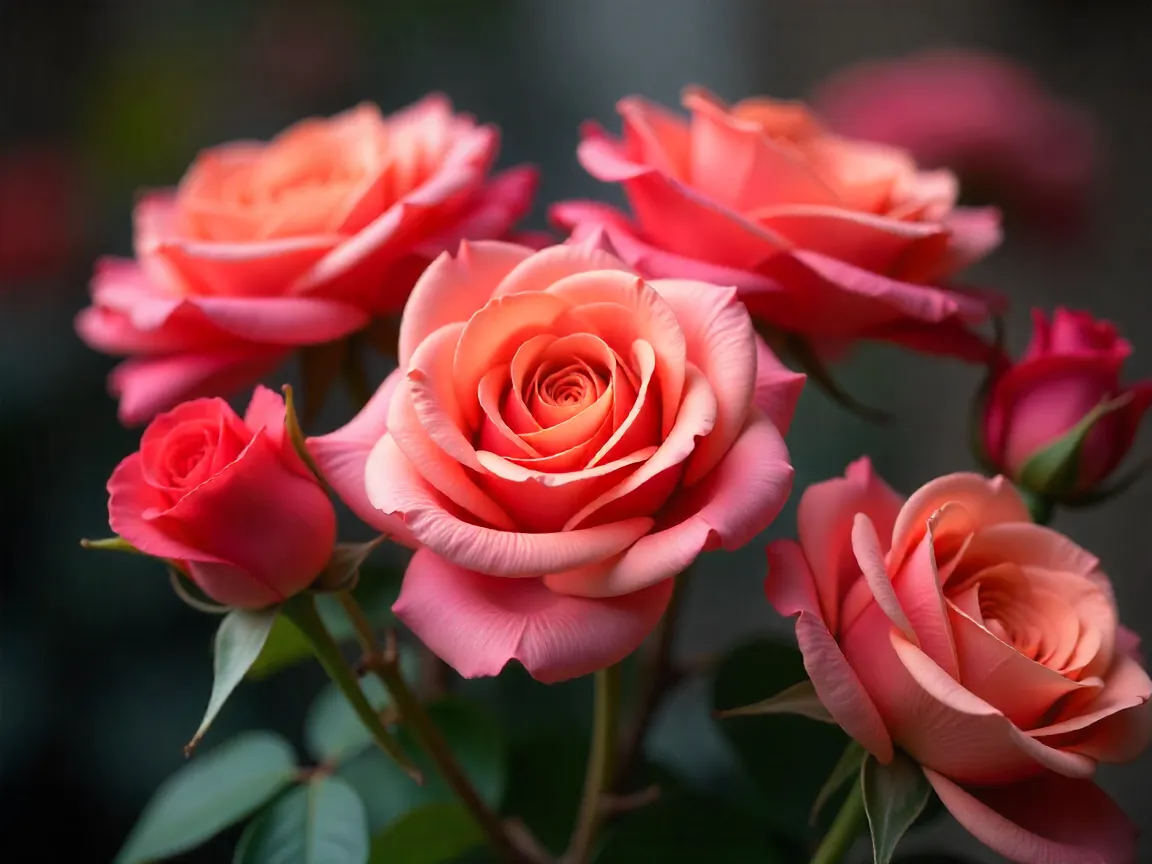
The quintessential flower of love and romance. Available in countless varieties and colors, each shade carries unique meaning. Red symbolizes deep love, pink represents grace, white conveys purity, and yellow celebrates friendship.
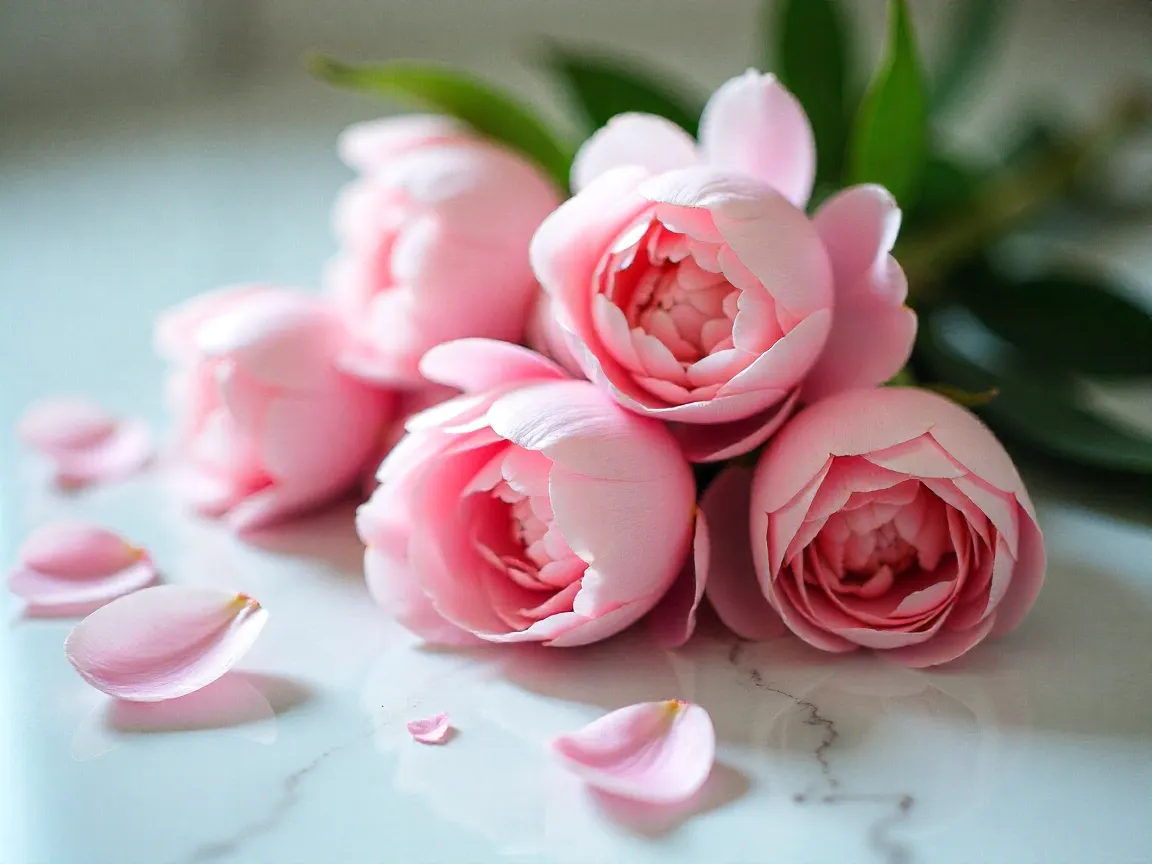
Luxurious blooms symbolizing prosperity and good fortune. Their lush, ruffled petals and sweet fragrance make them highly sought after for weddings. Available in late spring, they require cool storage for longevity.
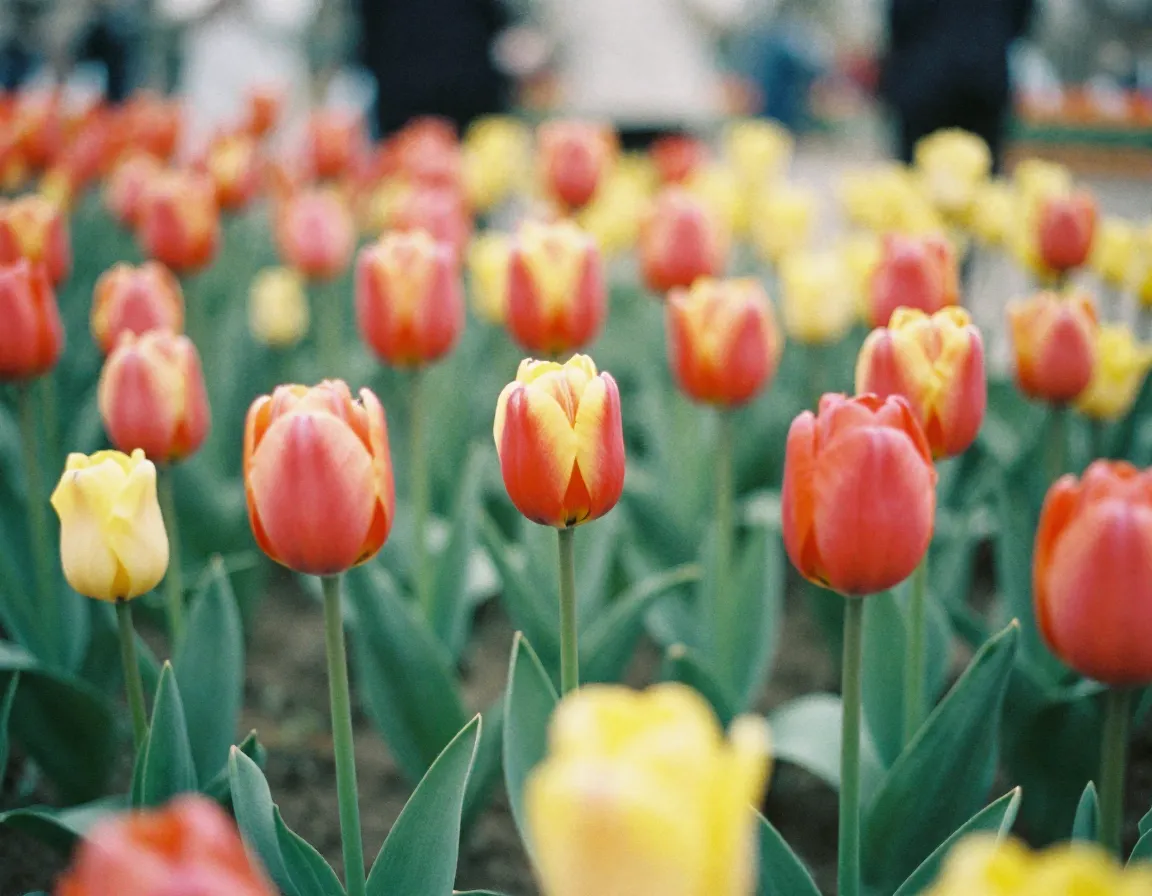
Spring favorites representing perfect love and renewal. Their clean lines suit both modern and traditional designs. Tulips continue growing after cutting, creating dynamic arrangements that evolve over time.
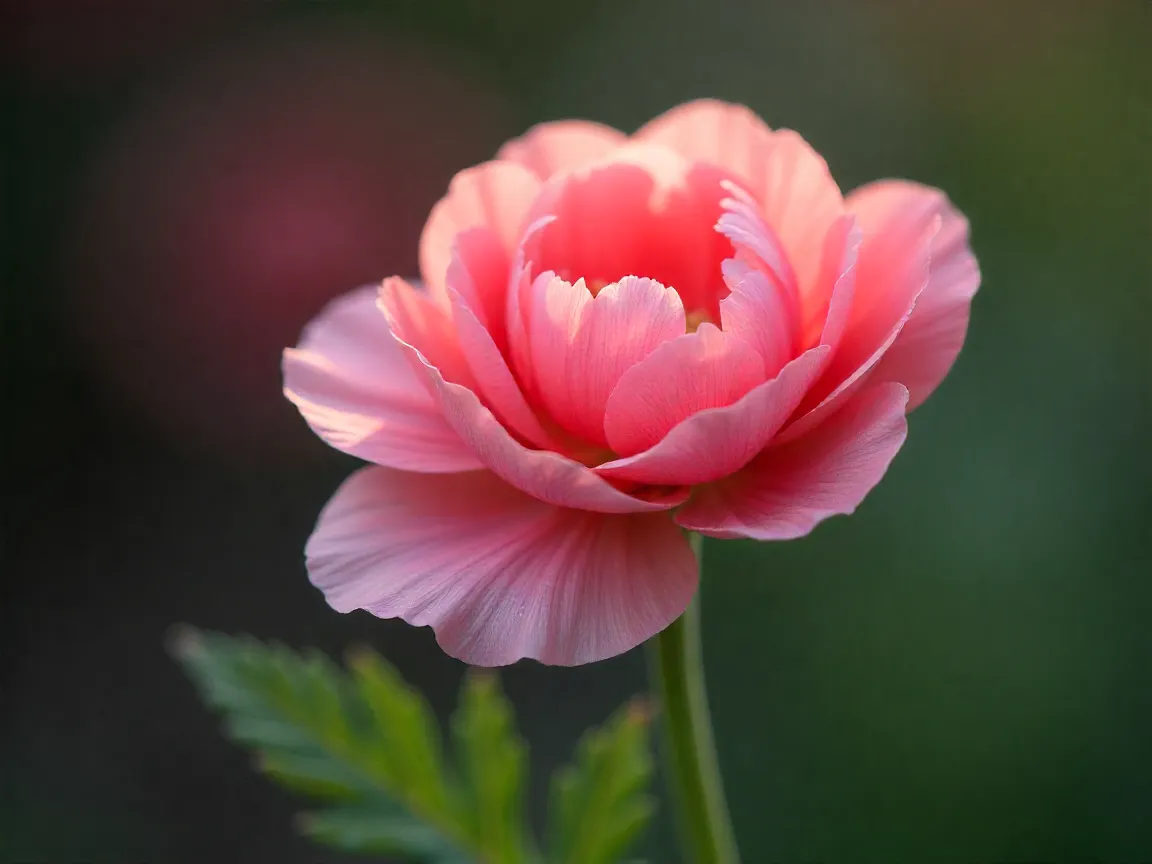
Delicate blooms with layers of paper-thin petals symbolizing radiant charm. Available in stunning color range from soft pastels to vibrant jewel tones. Popular for spring weddings and romantic arrangements.
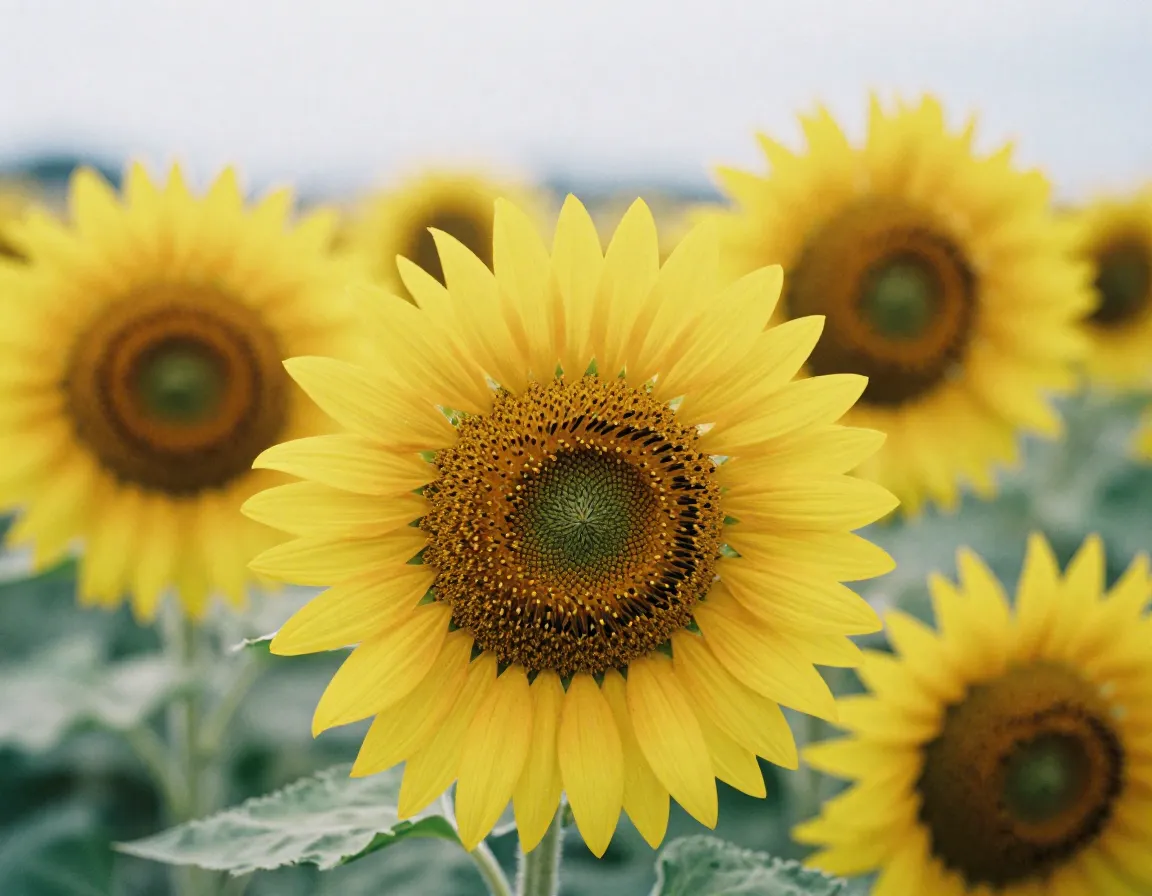
Bold summer blooms representing adoration and loyalty. Their sunny disposition brightens any space. Available in sizes from petite to giant, they work beautifully in rustic and contemporary designs alike.
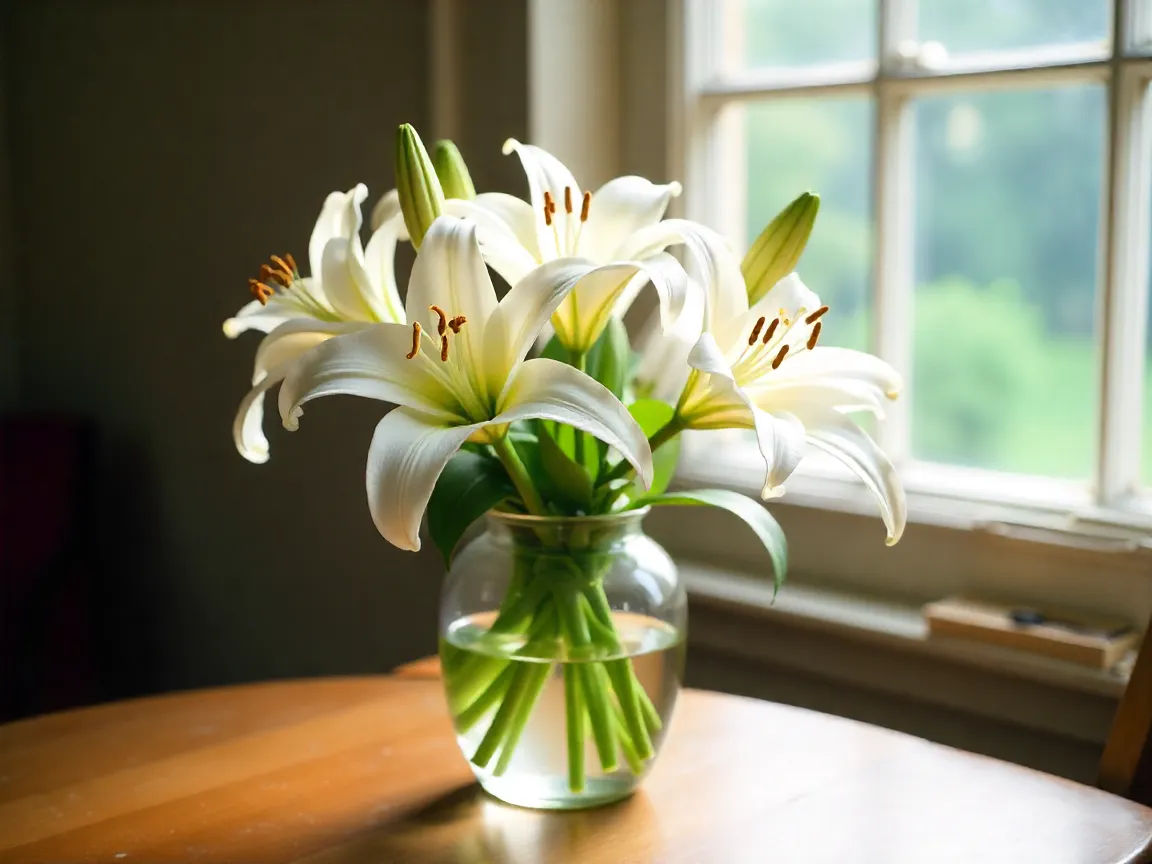
Sophisticated blooms symbolizing purity and refined beauty. Their dramatic form and sweet fragrance make them statement flowers. Available in many varieties including Oriental, Asiatic, and Calla lilies.
Victorian tradition assigned specific meanings to flowers, creating a symbolic language. Understanding these meanings adds depth to your floral choices.
Red roses, tulips, and peonies express deep affection and romantic devotion.
Yellow roses, sunflowers, and chrysanthemums celebrate platonic bonds and joy.
White lilies, chrysanthemums, and roses offer comfort and express condolences.
Bright mixed blooms, gerberas, and carnations mark achievements and milestones.
Water Quality: Use clean, room-temperature water. Change it every two days to prevent bacterial growth that shortens flower life.
Stem Preparation: Cut stems at a 45-degree angle using sharp scissors or knife. This increases water absorption surface area.
Remove Foliage: Strip leaves that would sit below the waterline to prevent bacterial growth and keep water fresh.
Location: Keep arrangements away from direct sunlight, heating vents, and ripening fruit which releases ethylene gas.
Feeding: Use flower food provided with your arrangement. It contains nutrients and antibacterial agents that extend vase life.
Roses: Recut stems daily and remove guard petals. They prefer cool conditions and benefit from misting.
Tulips: Keep water shallow and expect stems to continue growing and bending toward light.
Lilies: Remove pollen-bearing anthers to prevent staining and extend bloom life.
Hydrangeas: These are heavy drinkers. Submerge entire heads in water if they wilt, then return to vase.
Sunflowers: Change water frequently as they drink heavily. Support tall stems to prevent drooping.
Symmetrical designs featuring premium blooms like roses and lilies. Perfect for formal occasions, these arrangements emphasize sophistication and timeless beauty.
Loose, organic arrangements that mimic flowers growing in a garden. Mix of blooms, foliage, and textures creates a natural, romantic aesthetic.
Clean lines and limited color palettes create contemporary impact. Focus on form and negative space rather than abundance.
Want to learn more about specific flowers or discuss the perfect blooms for your occasion? Our team at Phexroxxvik is here to share our expertise.
Get Expert Advice